If you sleep on a CPAP, a power cut at 2 a.m. is more than an inconvenience, and so is a campground hookup that trips. Buy the EcoFlow RIVER 3 Plus ($250 to $500) for the bedside. Its 10 ms UPS switchover means the machine keeps blowing when the grid drops, and you never have to get up and plug anything in.
Our picks at a glance
From published specs and our sizing rules. Not lab tested.
- 1
Best overall
EcoFlow RIVER 3 Plus
286 Wh battery
Check price on AmazonPaid link
- 2
Budget pick
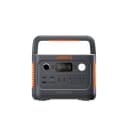
Jackery Explorer 300 v2
288 Wh battery
View at JackeryNot a paid link
- 3
Best for multiple nights
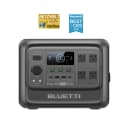
BLUETTI Elite 100 V2
1,024 Wh battery
Check price at BLUETTIPaid link
The sizing math is short. A typical CPAP with the humidifier off draws about 40 W, so eight hours is 320 Wh at the mask and about 375 Wh out of the battery once you lose roughly 15 percent in the inverter. Turn the heated humidifier on and the same night costs about 700 Wh at the mask and well over 800 Wh from the battery.
So capacity in watt-hours is what you are shopping for. Inverter wattage barely matters, since every unit here has 300 W or more and a CPAP never asks for that much. Weight matters if you travel. The DC output matters if your machine maker sells a 12 V cable, because running on DC skips the inverter loss entirely.
On a tighter budget, the Jackery Explorer 300 v2 at around $229 does the same one-night job. If you want two or three nights per charge, or you will not sleep without the humidifier, get the BLUETTI Elite 100 V2 at around $499.
Top picks, and why
EcoFlow RIVER 3 Plus
- 0.3 kWh
- expands to 1 kWh
- 600 W continuous
286 Wh, a 600 W inverter and a 10 ms UPS switchover in a 10.4 lb box. That works out to most of a night at 40 W with the humidifier off, and the UPS lets it live between the wall and the CPAP permanently. You can expand it to 858 Wh later with the extra battery.
- 10 ms UPS switchover for a CPAP or router
- Add-on batteries reach 858 Wh, about 2 CPAP nights
- Three AC outlets at 10.4 lb
- 600 W inverter: no microwave or kettle
- 286 Wh alone is about 6 hours of CPAP
$250 to $500, live price on Amazon
Check price on AmazonPaid link. We earn a commission at no cost to you.
288Wh battery
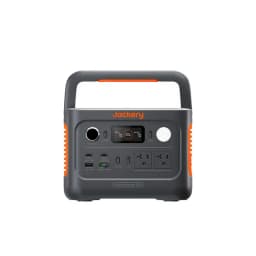
Jackery Explorer 300 v2
- 0.3 kWh
- 300 W continuous
288 Wh LiFePO4 at 8.3 lb for around $229, with a 20 ms UPS and a 100 W solar input. The spec sheet gives it about six hours at a 40 W draw, enough for a full night on machines that run under 35 W. It has one AC outlet, so treat it as a CPAP unit and not a camp kitchen.
- Lightest unit in our list at 8.3 lb
- About 6 hours of CPAP without humidifier
- 20 ms UPS switchover for a router or modem
- Only one AC outlet
- 300 W inverter: no coffee maker, microwave or kettle
1,024Wh battery
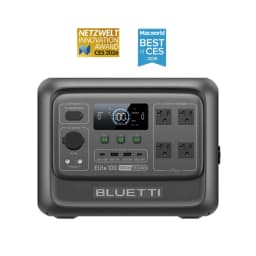
BLUETTI Elite 100 V2
- 1.0 kWh
- 1,800 W continuous
1,024 Wh, a 10 ms UPS and 25.3 lb at around $499. That is roughly 21 hours at 40 W: two and a half nights without the humidifier, or one full night with it on. With 1,000 W of solar input, a couple of panels can put a night back in a day.
- 1,000 W solar input, tied for highest of the 1 kWh class
- 1,800 W inverter runs a coffee maker or microwave
- 10 ms UPS switchover
- Four AC outlets, fewer than the six-outlet 1 kWh units
- Not split-phase, no 240V
About $499 at BLUETTI, checked Oct 10, 2026
Check price at BLUETTIPaid link. We earn a commission at no cost to you.
Will it run your stuff?
Tick what you need to keep running. Every pick below re-sorts by how long it lasts on one charge.
Average draw about 40 W.
- Check price at BLUETTI
BLUETTI Elite 100 V2
1,024 Wh, About $499 at BLUETTI
about 22 hours
Paid link
- Check price on Amazon
EcoFlow DELTA 3
1,024 Wh, $500 to $1,000
about 22 hours
Paid link
- Check price at BLUETTI
BLUETTI AC70
768 Wh, About $359 at BLUETTI
about 16 hours
Paid link
- View at Jackery
Jackery Explorer 300 v2
288 Wh, About $229 at Jackery
about 6 hours
Not a paid link
- Check price at BLUETTI
BLUETTI Elite 30 V2
288 Wh, About $279 at BLUETTI
about 6 hours
Paid link
- Check price at Anker SOLIX
Anker SOLIX C300
288 Wh, About $330 at Anker SOLIX
about 6 hours
Paid link
- Check price on Amazon
EcoFlow RIVER 3 Plus
286 Wh, $250 to $500
about 6 hours
Paid link
Runtime = capacity x 0.85 inverter efficiency / average draw, with fridges and freezers cycling on their compressors. Amazon links are paid links. Amazon prices change, so we show a range.
Compare every pick
Paid links: we earn a commission if you buy, at no cost to you. Amazon prices change often, so we show a range and link to the live price.
Nights per charge by capacity
Take the published watt-hours, multiply by 0.85 for inverter losses, and divide by the CPAP draw. Our power station sizer does exactly that. At 40 W with the humidifier off, a 288 Wh unit gives about 6 hours, a 768 Wh unit about 16 hours, a 1,024 Wh unit about 22 hours and a 2,048 Wh unit about 43 hours. Plenty of machines at moderate pressure draw closer to 30 W, which stretches a 288 Wh unit to a full 8 hour night. We still size for 40 W so you are not cutting it close.
In practice the 288 Wh class is a one-night unit and the 768 Wh class covers two. The 1,024 Wh class gets you two to three nights, or one night with the humidifier running. Outages longer than that push you toward solar recharge or the 2 kWh class, which the refrigerator guide covers.
Battery percentage on the screen is not all usable. Most units shut the inverter off a little above zero, and lithium iron phosphate cells last longest when you do not drain them flat every night. Buy for the nights you need with some margin left over.
Why the humidifier matters more than the machine
The blower in a CPAP is a small, efficient motor. The heated humidifier is a resistance heater, and heaters drain batteries. Our appliance table puts a CPAP with a heated humidifier at about 110 W with an 80 percent duty cycle, so eight hours is about 700 Wh at the mask and about 830 Wh from the battery. That is nearly three times the draw of the machine alone. It turns a 288 Wh unit into a three-hour unit.
If you can sleep without heated air for a night, switch off the humidifier and heated tube before you plug into the battery. If you can't, size for 1,024 Wh per night at minimum. The EcoFlow DELTA 3, Anker SOLIX C1000 Gen 2 and BLUETTI Elite 100 V2 all sit at that capacity.
DC cable or AC outlet
Most CPAP makers sell a 12 V DC cord for their machines. On DC, the power station is not converting battery voltage up to 120 V and your machine's power brick is not converting it back down, and those two steps are where the 15 percent goes. Plug a DC cord into the unit's 12 V socket and a 288 Wh unit gets noticeably closer to a full night at 40 W.
The downside is the humidifier. On the DC cord it usually will not run, or runs at reduced heat, so check your machine's manual. Need the humidifier? Use the AC outlet and size up. If you can do without it, the DC cord is the cheapest capacity upgrade you can buy.
UPS mode for the bedside
A power station with a UPS or EPS mode sits between the wall and the CPAP all the time. The CPAP runs on grid power, the battery stays topped up, and when the power drops the unit switches to battery in the time printed on the spec sheet. EcoFlow, BLUETTI and the newer Anker units advertise 10 ms, while Jackery and the original Anker C1000 advertise 20 ms. A CPAP will not notice either one, and both beat waking up at 3 a.m. to plug things in.
That is the strongest argument for the RIVER 3 Plus or the Elite 30 V2 over a unit like the Goal Zero Yeti 700, which has no advertised switchover time. Pass-through charging is how these units are meant to be used, and the manufacturers' own documentation says leaving one plugged in year-round is fine.
EcoFlow RIVER 3 Plus
- 0.3 kWh
- expands to 1 kWh
- 600 W continuous
The 10 ms switchover and three AC outlets make it the obvious always-plugged-in unit. At 286 Wh it covers a 40 W night with the humidifier off on most machines.
- 10 ms UPS switchover for a CPAP or router
- Add-on batteries reach 858 Wh, about 2 CPAP nights
- Three AC outlets at 10.4 lb
- 600 W inverter: no microwave or kettle
- 286 Wh alone is about 6 hours of CPAP
$250 to $500, live price on Amazon
Check price on AmazonPaid link. We earn a commission at no cost to you.
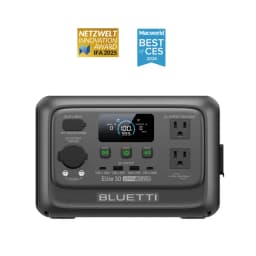
288Wh battery
BLUETTI Elite 30 V2
- 0.3 kWh
- 600 W continuous
Same 288 Wh class and 10 ms UPS at $250 to $500. The 600 W inverter and 1,500 W surge let it double as a coffee maker or small fridge unit when it is not under the CPAP.
- 600 W inverter, double the 300 W small units
- 1,500 W surge, highest of the 288 Wh units
- 10 ms UPS switchover for a CPAP or router
- 600 W inverter: no microwave or kettle
- About 6 hours of CPAP per charge
About $279 at BLUETTI, checked Oct 10, 2026
Check price at BLUETTIPaid link. We earn a commission at no cost to you.
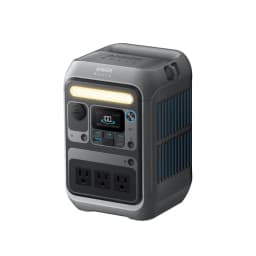
288Wh battery
Anker SOLIX C300
- 0.3 kWh
- 300 W continuous
288 Wh and a 10 ms UPS with three AC outlets and 140 W USB-C for a laptop. It runs about $330 and is often out of stock on Anker's own store, so check Amazon.
- 140 W USB-C port for a laptop
- Three AC outlets in a 9.3 lb box
- 10 ms UPS switchover
- 300 W inverter: no coffee maker, microwave or kettle
- 100 W solar input, slow to refill from panels
About $330 at Anker SOLIX, checked Oct 13, 2026
Check price at Anker SOLIXPaid link. We earn a commission at no cost to you.
The picks in detail
For one night at a time, the 288 Wh units are the right money. They are all LiFePO4 now, all under 11 lb, and close in price, so choose on UPS speed and outlet count. For two nights the BLUETTI AC70 is the standout value at 768 Wh and 1,000 W, 22.5 lb, for around $359. The math gives it about 16 hours at 40 W. For three nights or humidifier use, spend $499 or more on a 1,024 Wh unit like the BLUETTI Elite 100 V2.
288Wh battery
Jackery Explorer 300 v2
- 0.3 kWh
- 300 W continuous
288 Wh and 8.3 lb for around $229. It is the lightest and cheapest unit here and still has a 20 ms UPS. The single AC outlet is enough for a CPAP and a phone charger.
- Lightest unit in our list at 8.3 lb
- About 6 hours of CPAP without humidifier
- 20 ms UPS switchover for a router or modem
- Only one AC outlet
- 300 W inverter: no coffee maker, microwave or kettle
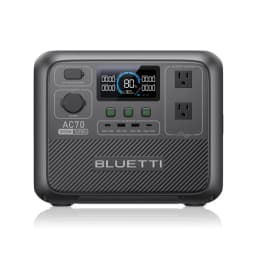
768Wh battery
BLUETTI AC70
- 0.8 kWh
- 1,000 W continuous
768 Wh for around $359 is the best watt-hours per dollar on this page. You also get a 20 ms UPS and a 1,000 W inverter at 22.5 lb. Expect about 16 hours at 40 W, or roughly 7 hours with the humidifier running.
- About 2 CPAP nights or 12 hours of fridge
- 500 W solar input
- 1,000 W inverter at 22.5 lb
- 1,000 W inverter: no microwave or kettle
- Only two AC outlets
About $359 at BLUETTI, checked Oct 10, 2026
Check price at BLUETTIPaid link. We earn a commission at no cost to you.
1,024Wh battery
BLUETTI Elite 100 V2
- 1.0 kWh
- 1,800 W continuous
1,024 Wh, 10 ms UPS, 25.3 lb, 1,000 W solar input, around $499. In the 1 kWh class nothing else on the spec sheets beats that mix of capacity, weight and price.
- 1,000 W solar input, tied for highest of the 1 kWh class
- 1,800 W inverter runs a coffee maker or microwave
- 10 ms UPS switchover
- Four AC outlets, fewer than the six-outlet 1 kWh units
- Not split-phase, no 240V
About $499 at BLUETTI, checked Oct 10, 2026
Check price at BLUETTIPaid link. We earn a commission at no cost to you.
EcoFlow DELTA 3
- 1.0 kWh
- expands to 5 kWh
- 1,800 W continuous
Same 1,024 Wh and 10 ms UPS at $500 to $1,000, and it accepts extra batteries up to 5 kWh later. Buy this one if you expect to grow into fridge backup and do not want to buy twice.
- Six AC outlets and a 1,800 W inverter
- Expands to 5 kWh, about 2 days of fridge
- 10 ms UPS switchover
- 500 W solar input, half the DELTA 3 Plus
- Not split-phase, no 240V
$500 to $1,000, live price on Amazon
Check price on AmazonPaid link. We earn a commission at no cost to you.
Airline and travel rules
None of these units can fly. FAA rules allow lithium batteries up to 100 Wh in carry-on without approval and 101 to 160 Wh with airline approval, and nothing over 160 Wh in carry-on or checked bags. The smallest unit here is 286 Wh. For air travel you need a CPAP-specific battery under 100 Wh from your machine's maker, and most of those last one night.
Road trips and camping are a different story. The 288 Wh units recharge from a car 12 V socket while you drive and from a 100 to 220 W panel at camp. The Jackery 300 v2 and Anker C300 accept 100 W of solar, the RIVER 3 Plus takes 220 W and the Elite 30 V2 takes 200 W. A few hours of real sun refills a CPAP night on any of them.
When to step up
Want the fridge to stay cold too? Then stop sizing for the CPAP. A full-size fridge averages about 52 W over a day, roughly the same as the CPAP on its own, and the two together need a 1,024 Wh unit to get through 10 hours or a 2 kWh unit to get through a day. Our refrigerator guide sorts those out.
Where outages run multiple days, a bigger power station is the wrong fix. Look at a 240V home battery like the Anker SOLIX F3800 Plus, or a small dual fuel inverter generator that recharges a mid-size station. The home battery guide covers the no-install options.
The bottom line
From published specs and our sizing rules. Not lab tested.
- 1
Best overall
EcoFlow RIVER 3 Plus
286 Wh battery
Check price on AmazonPaid link
- 2
Budget pick
Jackery Explorer 300 v2
288 Wh battery
View at JackeryNot a paid link
- 3
Best for multiple nights
BLUETTI Elite 100 V2
1,024 Wh battery
Check price at BLUETTIPaid link
Frequently asked questions
How many watt-hours does a CPAP use per night?
About 320 Wh at 40 W over 8 hours with the humidifier off, which is roughly 375 Wh from a power station after inverter losses. With the heated humidifier on, plan on about 700 Wh at the mask and 830 Wh from the battery.
Will a 300 Wh power station run a CPAP all night?
At 40 W, a 288 Wh unit gives about 6 hours through the AC outlet. Machines that draw 30 W or less get a full 8 hours, and the maker's 12 V DC cord avoids the inverter loss and gets most machines through the night. It will not run a heated humidifier for more than about 3 hours.
What size power station do I need for a CPAP with a humidifier?
1,024 Wh per night. The BLUETTI Elite 100 V2, EcoFlow DELTA 3 and Anker SOLIX C1000 Gen 2 each give about 10 hours with a humidifier at 110 W and an 80 percent duty cycle.
Do I need UPS mode for a CPAP?
Only if the unit sits between the wall and the CPAP full time. A 10 or 20 ms switchover means the machine never loses airflow when the power drops. If you only plug the CPAP in after an outage starts, any unit works.
Can I take a power station on a plane for my CPAP?
No. FAA limits are 100 Wh without approval and 160 Wh with it, and every unit in this guide is 286 Wh or more. Use a sub-100 Wh CPAP battery from your machine's manufacturer for flights.
Is a DC cable better than the AC outlet for a CPAP?
Yes for capacity. The DC cord skips two conversions and saves roughly 15 percent, which stretches a 288 Wh unit from about 6 hours to closer to 7 at 40 W. The downside is that most heated humidifiers will not run on DC.
How long does a 1,000 Wh power station run a CPAP?
About 22 hours at 40 W, or just under three 8 hour nights. With a heated humidifier, about 10 hours.
Can a solar panel keep a CPAP going indefinitely?
A 100 W panel in four hours of good sun should put about 280 Wh back into a unit, close to one night at 40 W. Real panels deliver about 70 percent of their rating, though, so 200 W of panels is the safer number for one night per day.
How do I find out how many watts my CPAP uses?
Measure it with a plug-in watt meter between the wall and the CPAP for one night, which shows the real draw the battery will see. The rating on the power brick is the most it can supply, not the average, so sizing from it overstates the battery you need. Most machines at moderate pressure with the humidifier off draw 30 to 40 W.
How much does it cost to run a CPAP for a year?
About $20 a year with the humidifier off. At 40 W for 8 hours a night that is 0.32 kWh a night or about 117 kWh a year, and 117 kWh x 17.3 cents (the US average rate) is about $20. With a heated humidifier at about 0.7 kWh a night, it is about 255 kWh and $44 a year.
10 products are linked on this page. We have not lab-tested these products; picks are based on published specifications and our sizing rules. Amazon prices change, so we show a range and link to the live price. See our disclosure.
Size it for your home
Marcus Reed
Founder and Editor, CrunchYourDollars
Marcus Reed builds the sizing tools on CrunchYourDollars. He is a software engineer with a long-running PC hardware and power supply habit, which is where the watts, watt-hours and surge math on this site comes from. Product specs are pulled from manufacturer data sheets, electricity rates from the U.S. Energy Information Administration, and water chemistry rules from the Water Quality Association. He is not a licensed electrician or plumber: the tools show the math and the matching models so you can make the call, and anything involving your electrical panel should be checked by a licensed pro.
More about CrunchYourDollars and how we researchGet notified when we add tools
An occasional email when a new sizing tool goes live or the product database is refreshed. No spam, unsubscribe anytime.