Preparedness has a strange cost curve. The first few hundred dollars protect you from the emergencies that actually happen to most people: a storm outage, a boil-water notice, a week of empty shelves. Every dollar after that buys protection against rarer and rarer events. That does not make the later dollars wasted, but it does mean the order you spend in matters far more than the total.
Our picks at a glance
From published specs and our sizing rules. Not lab tested.
- 1
Best first purchase
Midland ER310 Emergency Crank Weather AM/FM Radio
Check price on AmazonPaid link
- 2
Cheapest insurance
Sawyer Squeeze Water Filtration System (SP129)
0.1 micron filter
Check price on AmazonPaid link
- 3
The big step, when ready
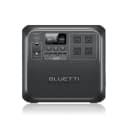
BLUETTI AC180
1,152 Wh battery
Check price at BLUETTIPaid link
So the honest answer to how much you should spend is: enough to finish each stage before starting the next, and never so much that it costs you your savings, your space or your peace of mind. A household with two weeks of water and food, a way to cook, a radio, a first aid kit and some cash in the drawer is better prepared than most, and that can be done for well under $1,000, much of it on food you would eat anyway.
Below are rough budgets for each stage, the cheap moves that cost almost nothing, and a plain checklist of the signs you have not done enough, and the signs you have gone too far. The dollar ranges are rough planning figures. Prices for the picks show live.
Top picks, and why
Midland ER310 Emergency Crank Weather AM/FM Radio
A hand crank, solar and battery NOAA radio with a flashlight that charges a phone. Of everything you can buy, information per dollar is highest here. under $100.
Under $100, live price on Amazon
Check price on AmazonPaid link. We earn a commission at no cost to you.
Sawyer Squeeze Water Filtration System (SP129)
- 2 oz
- Squeeze or gravity
- Backflush to clean
A 0.1 micron filter that turns rain or creek water into something safe to drink when paired with chlorine tablets. Weeks of water security for the price of a dinner out. under $100.
- 0.1 micron absolute filter
- Two 32 oz pouches, fits 28 mm bottle threads
- Works in a gravity system
- Does not claim to remove viruses, so disinfect too
Under $100, live price on Amazon
Check price on AmazonPaid link. We earn a commission at no cost to you.
1,152Wh battery
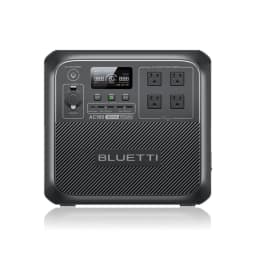
BLUETTI AC180
- 1.2 kWh
- 1,800 W continuous
1,152 Wh of LiFePO4 with up to 500 W of solar input. The point where prep gets expensive, so buy it only after water, food, cooking and first aid are done. about $499.
- 1,152 Wh, most capacity of the 1 kWh class
- About 19 hours of fridge or 3 CPAP nights
- 1,800 W inverter runs a coffee maker or microwave
- Heaviest of the 1 kWh class at 35.3 lb
- Previous-generation model with 20 ms switchover
About $499 at BLUETTI, checked Oct 10, 2026
Check price at BLUETTIPaid link. We earn a commission at no cost to you.
Compare every pick
Paid links: we earn a commission if you buy, at no cost to you. Amazon prices change often, so we show a range and link to the live price.
What each stage costs
Stage 0, almost free: fill clean soda bottles and jugs with tap water, buy one extra of the canned and dry food you already eat each shopping trip, write down a family plan with phone numbers and a meeting place, keep a tank of gas above half, and put some cash in small bills somewhere safe. This alone puts you ahead of most households.
Stage 1, 72 hours, roughly $150 to $300 for a family: water containers, a radio, a lantern and headlamps, a first aid kit, a water filter, a manual can opener and power banks. Our power outage kit checklist and long-term preparedness plan list the items.
Stage 2, two weeks, roughly $500 to $1,000 more: a 55 gallon drum or stacked jugs, two weeks of food mostly bought as extra pantry stock, a propane camp stove with fuel, a bucket toilet with bags, and a bleeding control kit. Most of the food money is not really spent, since you eat it and replace it.
Stage 3, a long crisis, roughly $1,500 to $5,000 and up: a power station with solar panels, two-way radios, a larger store of bulk staples, more fuel and water treatment. This is where budgets diverge, and where it is easiest to overspend.
Saratoga Farms 5 Gallon Stackable Water Containers, 4 Pack (20 gal)
- Stackable
- Vented
- HDPE
Four stackable 5 gallon jugs, 20 gallons in all, five days of water for a family of four at one gallon per person per day. $100 to $250.
- Stack to save floor space
- Each one can be carried, about 40 lb full
- BPA-free HDPE
- 20 gallons total, about 5 days for a family of 4
$100 to $250, live price on Amazon
Check price on AmazonPaid link. We earn a commission at no cost to you.
Gas One GS-3400P Dual Fuel Butane or Propane Stove
- Butane or propane
- Piezo ignition
- Carry case
A dual fuel single burner for butane or 1 lb propane, so stored rice, beans and freeze-dried food can actually be eaten when the stove is dead. Outdoors only. under $100.
- Runs on butane or 1 lb propane
- Piezo ignition, no matches needed
- Pressure sensor ejects the cartridge
- One burner
- Outdoors or well ventilated only
Under $100, live price on Amazon
Check price on AmazonPaid link. We earn a commission at no cost to you.
Spend smart: rotate, do not hoard
The cheapest preparedness is a deeper pantry you eat from. Buying two weeks of extra canned food, rice, beans, oats and peanut butter costs money once, then nothing, because you eat the oldest and replace it on your normal shopping. Freeze-dried buckets are convenient and last decades, but they are the most expensive calories you can store. Keep a bucket or two for a go bag or hard days, not three months' worth.
Buy gear that has an everyday use. A camp stove goes camping, a power station runs a campsite or a home office, a water filter goes hiking, a radio sits in the kitchen. Gear you use stays charged, tested and familiar. Gear that sits in a closet for six years tends to fail when you finally need it.
Build skills alongside stuff. A first aid class, a Stop the Bleed course and a weekend practicing without the grid cost little and are worth more than a second generator.
Signs you have not prepped enough
You have less than three days of water for everyone in the house, including pets. You have no way to cook or boil water if the power and gas both go out. You have no battery or crank radio, so if phones and internet fail you would have no news. Prescription medicines would run out in less than a week. Your first aid supplies are a box of bandages. No one in the house knows how to shut off the water, gas and electricity. You have no cash at home. There is no plan for where your family meets if you are separated.
Fix those in that order before buying anything bigger. Each one is cheap and each one covers a common emergency.
Surviveware Comprehensive Premium First Aid Kit, 238 Pieces
- Labeled
- 600D bag
- MOLLE
238 pieces in labeled compartments in a water resistant bag, a large step up from a box of bandages. FSA and HSA eligible. under $100.
- 238 pieces in labeled compartments
- Water resistant bag, laminated pouches
- FSA/HSA eligible
- General first aid; add a bleeding control kit for serious wounds
Under $100, live price on Amazon
Check price on AmazonPaid link. We earn a commission at no cost to you.
Signs you have prepped too much
Food is expiring before you eat it. If you are throwing out stored food every year, you are buying faster than you can rotate, and that money is wasted. Store less and rotate more.
You went into debt or emptied your savings for it. In most real emergencies, a job loss, a medical bill, a car repair, cash in the bank is the most useful prep there is. Ready.gov counts financial preparedness as part of being ready. A stockpile bought on a credit card at 25% interest is a poor trade.
You are storing fuel unsafely or beyond what local fire codes allow. Gasoline in a basement or attached garage is a serious fire risk, and most codes limit how much you may keep at home. Store propane outdoors and keep gasoline modest and rotated.
The stockpile is taking over the house, or causing friction with the people you live with. Preparedness is supposed to make life calmer. If it is the source of arguments, anxiety or a basement you cannot walk through, scale back to what you can store neatly and rotate.
You own expensive gear you have never used. If you have not run the generator, charged the power station from solar, cooked on the stove or practiced with the radios, you do not yet know whether they work for you. Use what you have before buying more.
A simple rule for how much is enough
Finish two weeks of water, food, cooking, light, information, sanitation and first aid for everyone in your home. Keep an emergency fund in cash and savings. After that, spend on long-crisis gear like solar power only with money you would otherwise spend on a hobby, and only if you will actually use and maintain it. That keeps you ready for the common emergencies, reasonably ready for the rare ones, and solvent through all of them.
The bottom line
From published specs and our sizing rules. Not lab tested.
- 1
Best first purchase
Midland ER310 Emergency Crank Weather AM/FM Radio
Check price on AmazonPaid link
- 2
Cheapest insurance
Sawyer Squeeze Water Filtration System (SP129)
0.1 micron filter
Check price on AmazonPaid link
- 3
The big step, when ready
BLUETTI AC180
1,152 Wh battery
Check price at BLUETTIPaid link
Frequently asked questions
How much should I spend on emergency preparedness?
For most families, a few hundred dollars covers 72 hours, and roughly $500 to $1,000 more covers two weeks, much of it food you eat and replace. Long-crisis gear like solar power can cost thousands, and is worth it only after the basics and an emergency fund are in place.
What should I buy first for emergency prep?
Water storage, a battery or crank radio, lights, a first aid kit, a water filter, a manual can opener and a week of prescription medicine. Then two weeks of food, a camp stove with fuel and a bucket toilet.
Can you over-prepare?
Yes. Signs include food expiring before you eat it, going into debt or draining savings for gear, storing fuel unsafely, a stockpile that takes over the house, and expensive gear you have never used.
How can I prep on a tight budget?
Start free: fill clean bottles with tap water, buy one extra of the foods you already eat each trip, write a family plan, keep your gas tank above half and set aside some cash. Then add a radio, a filter and a first aid kit.
Is freeze-dried food worth it?
For a go bag or a few hard days, yes: it is light, easy and lasts decades. For long-term calories it is the most expensive option. A rotated pantry of canned food and bulk rice, beans and oats costs far less.
Should I buy a generator or a solar generator first?
Neither, until water, food, cooking, first aid and an emergency fund are covered. After that, a gas generator delivers more power per dollar for short outages, while a power station with solar keeps running in a long crisis when fuel is scarce.
6 products are linked on this page. We have not lab-tested these products; picks are based on published specifications and our sizing rules. Amazon prices change, so we show a range and link to the live price. See our disclosure.
Size it for your home
Marcus Reed
Founder and Editor, CrunchYourDollars
Marcus Reed builds the sizing tools on CrunchYourDollars. He is a software engineer with a long-running PC hardware and power supply habit, which is where the watts, watt-hours and surge math on this site comes from. Product specs are pulled from manufacturer data sheets, electricity rates from the U.S. Energy Information Administration, and water chemistry rules from the Water Quality Association. He is not a licensed electrician or plumber: the tools show the math and the matching models so you can make the call, and anything involving your electrical panel should be checked by a licensed pro.
More about CrunchYourDollars and how we researchGet notified when we add tools
An occasional email when a new sizing tool goes live or the product database is refreshed. No spam, unsubscribe anytime.